Importing to Ethiopia Through Djibouti: Transit Times and Paperwork
30 July 2026 · 6 min read
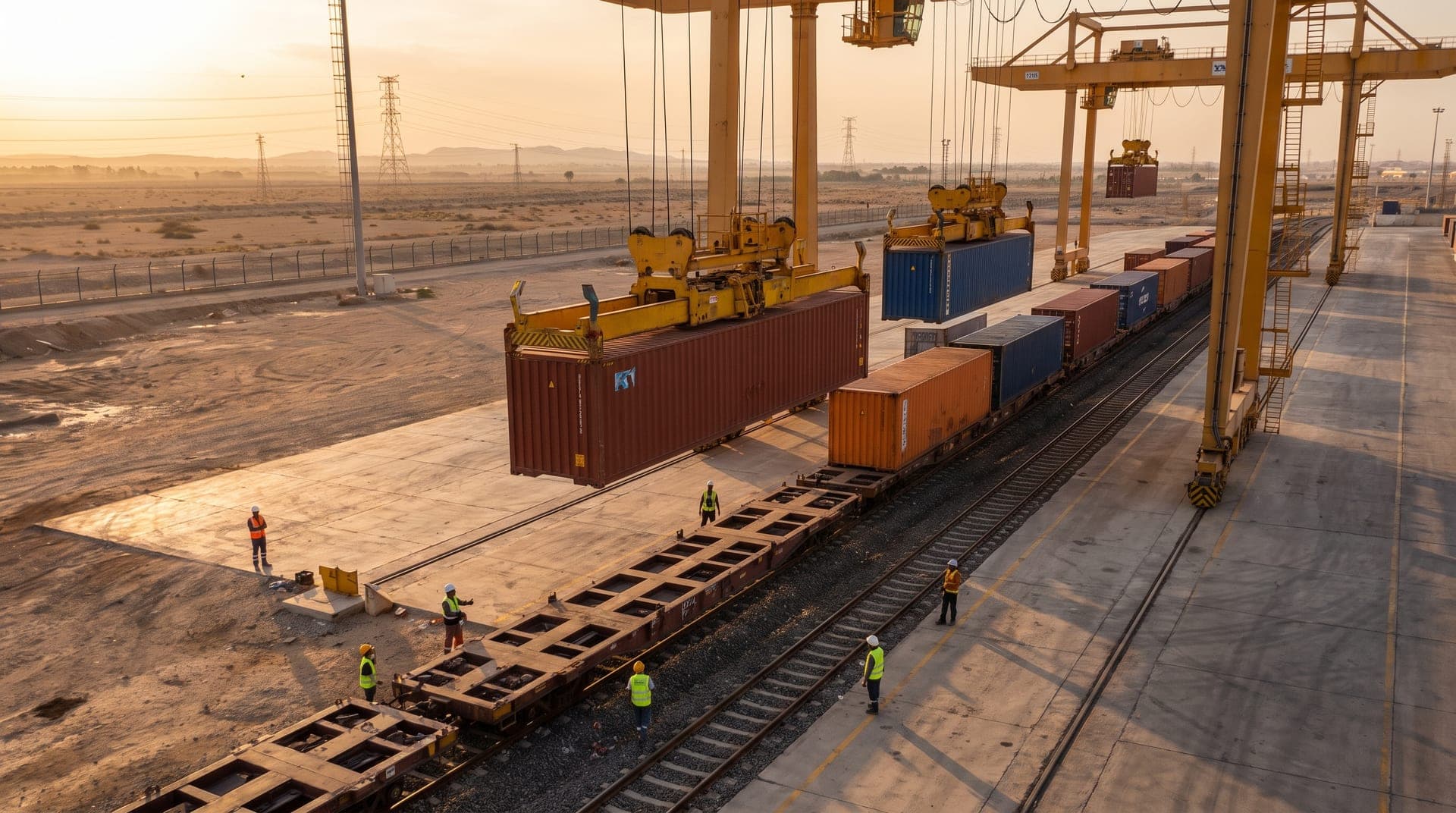
Importing to Ethiopia through Djibouti involves an average transit time from vessel discharge to inland delivery—a baseline frequently benchmarked by operators, ESLSE, and the corridor authorities, though these timings must be confirmed for your specific cargo and the current season before budgeting your schedule—provided your bank import permit and shipping documents perfectly align. A streamlined process typically relies on using the Ethiopian Shipping and Logistics Services Enterprise (ESLSE) multimodal system to move customs clearance from the crowded Djibouti port to the Modjo Dry Port near Addis Ababa.
For international contractors, EPC firms, and suppliers, the Djibouti corridor is not just a transit route; it is a critical project risk variable. Equipment stuck in port accrues demurrage in foreign currency and delays project milestones. Controlling this corridor requires understanding the structural difference between unimodal and multimodal transit, and mastering the exact sequence of Ethiopian documentation.
Multimodal vs. Unimodal Transit
Ethiopia is landlocked, meaning the Port of Djibouti serves as its primary maritime gateway. However, you have two distinct operational pathways for moving cargo from the vessel to your project site.
The Multimodal System
Under the multimodal system, cargo is handled by a single operator—the state-owned ESLSE—from the port of loading all the way to an inland dry port in Ethiopia, most commonly Modjo Dry Port.
- Clearance: Cargo avoids full local import clearance in Djibouti, completing only the necessary transit formalities to travel under bond via the Ethio-Djibouti standard gauge railway or by truck directly to Modjo.
- Advantage: You clear customs in Ethiopia, closer to your operations, significantly reducing dwell time and demurrage risks in Djibouti.
- Requirement: Your Bill of Lading must state the final destination as an Ethiopian dry port (e.g., "Modjo Dry Port"), not just "Djibouti".
The Unimodal System
Under unimodal transit, the shipping line’s responsibility ends at the Port of Djibouti.
- Clearance: You must hire a transit agent in Djibouti to clear the goods through Djibouti customs for transit, load them onto private trucks, and haul them to the Ethiopian border (Galafi or Dewele), where they undergo Ethiopian customs clearance.
- Disadvantage: Higher risk of delays, coordination failures between multiple agents, and exposure to port storage fees in Djibouti.
For major infrastructure and industrial shipments, multimodal transit via ESLSE is the standard, lower-risk approach.
The Paperwork That Dictates Your Timeline
While physical logistics certainly pose challenges, document discrepancies are more frequently the root cause of shipment delays in this corridor. The Ethiopian Customs Commission (ECC) and the National Bank of Ethiopia (NBE) operate on strict, inflexible documentation rules. A single misspelled company name across documents will halt a shipment.
To move cargo smoothly, these essential documents must align perfectly:
- Bank Import Permit: Before shipping, you must secure an import permit and a Letter of Credit (LC) or CAD approval from an Ethiopian commercial bank, heavily regulated by the NBE. Goods arriving without prior bank approval are subject to confiscation or severe penalties.
- Commercial Invoice: Must match the bank permit exactly. It must clearly state the FOB value, freight, and insurance.
- Packing List: Must detail exact weights and dimensions. Discrepancies between the packing list and physical cargo trigger immediate customs holds and physical inspections at Modjo.
- Bill of Lading (B/L): For multimodal shipments, the consignee is usually the Ethiopian importer, and the B/L must clearly indicate the Ethiopian dry port as the final destination.
- Certificate of Origin: Generally required for commercial imports to verify tariff rates, especially if leveraging regional trade agreements.
Transit Times and Bottlenecks
Assuming flawless documentation and use of the multimodal system, the operational sequence for standard containerised cargo involves several distinct phases:
- Vessel Discharge at Djibouti (DMP or SGTD): Discharge rates are established by the terminal operators; these turnaround targets should be validated against current port congestion levels prior to vessel arrival.
- Port Dwell and Rail/Road Loading: Handling schedules here are managed by ESLSE, which prioritises rail for Modjo (highly efficient once loaded), but you will need your local forwarder to authenticate the prevailing dispatch times.
- Transit to Modjo Dry Port: The physical journey is benchmarked by the Ethio-Djibouti Railway and highway corridor authorities, requiring independent verification based on seasonal weather conditions and cargo specifications.
- Customs Clearance at Modjo: The Ethiopian Customs Commission establishes baseline processing expectations, which you must ensure are cross-checked locally before integrating them into your broader project schedule.
The primary bottleneck is the final step. If the ECC flags a valuation discrepancy—where they assess the value of your goods higher than your commercial invoice—clearance stops until you either appeal the valuation or pay the adjusted duties.
Using Bonded Warehouses
For large-scale EPC contractors and manufacturers, bringing in massive volumes of materials upfront creates a severe cash flow burden if import duties must be paid immediately at Modjo.
The Ethiopian Customs Commission allows the establishment of private bonded warehouses. By securing a bonded warehouse licence:
- Cargo moves from Modjo Dry Port to your secure facility without immediate duty payment.
- You pay duties only as you withdraw materials from the warehouse for use.
- This defers tax liabilities, aligns duty payments with project disbursement schedules, and physically secures materials on-site rather than leaving them in the congested dry port.
Setting up a bonded warehouse requires ECC approval, physical security standards, and a financial guarantee, but it is an indispensable tool for multi-year infrastructure projects.
Execution and Accountability
Importing to Ethiopia is not a process you can manage via email from abroad while relying on disjointed third parties. It requires upfront alignment with the NBE for your import permits, coordinated shipping instructions for the multimodal B/L, and aggressive follow-up at Modjo Dry Port. Rather than waiting for customs to flag a valuation discrepancy upon arrival, pre-clear your HS codes and commercial invoices with your transit agent before the vessel even departs its origin port, ensuring your documentation perfectly matches the NBE’s registered approvals.
Questions this raises
- How long does it take to import goods from Djibouti to Addis Ababa?
- The time required to import goods from vessel discharge in Djibouti to customs clearance at the Modjo Dry Port near Addis Ababa is highly variable. Even with perfectly accurate bank permits and shipping documents, this expected duration changes frequently based on operational conditions set by the Ethiopian Shipping and Logistics Services Enterprise. You must confirm the current timeframe with them before relying on it for your planning.
- What is the difference between multimodal and unimodal transport to Ethiopia?
- Multimodal transport uses one operator (ESLSE) to move goods directly to an inland Ethiopian dry port for customs clearance. Unimodal transport requires clearing goods for transit in Djibouti and coordinating separate trucking to the Ethiopian border, which is generally slower and higher risk.
- Do I need an import permit before shipping goods to Ethiopia?
- Yes. The National Bank of Ethiopia requires a prior bank import permit and an approved Letter of Credit or Cash Against Documents (CAD) before goods are shipped. Shipping without this approval will result in severe delays or confiscation.
- Can foreign companies set up bonded warehouses in Ethiopia?
- Yes. The Ethiopian Customs Commission permits companies, such as EPC contractors, to establish private bonded warehouses. This allows materials to be stored locally and duties to be paid only as items are withdrawn for use.
Related on this site
If this is the decision in front of you, twenty minutes will tell us both whether we can help.
Request astrategy callOne essay a month